Medical Disclaimer: This article is for informational purposes only and does not constitute medical advice. Consult a licensed healthcare provider before making changes to your diet or mental health treatment plan.
Science Just Confirmed the Best "Antidepressant" is Already in Your Pantry (And It's Not a Pill)
People spend hundreds of dollars on dietary supplements hoping to improve their brain health, but a recent scientific review suggests the most effective mood-boosting compounds are probably sitting in your kitchen right now. The researchers studied dietary flavonoids, which are natural compounds found in plants, and found that these compounds directly affect mental health in ways we're only beginning to understand.
The catch? You can't just eat these foods once and expect results. The benefits only show up when you consume them consistently over weeks and months.
What the Research Actually Found
Researchers analyzed 38 experimental studies on diet and mood, looking for patterns in how specific foods affected mental health outcomes. The data revealed something interesting: eating flavonoid-rich foods one time doesn't change your mood at all, but eating these foods regularly over a long period produces measurable improvements in mental health.
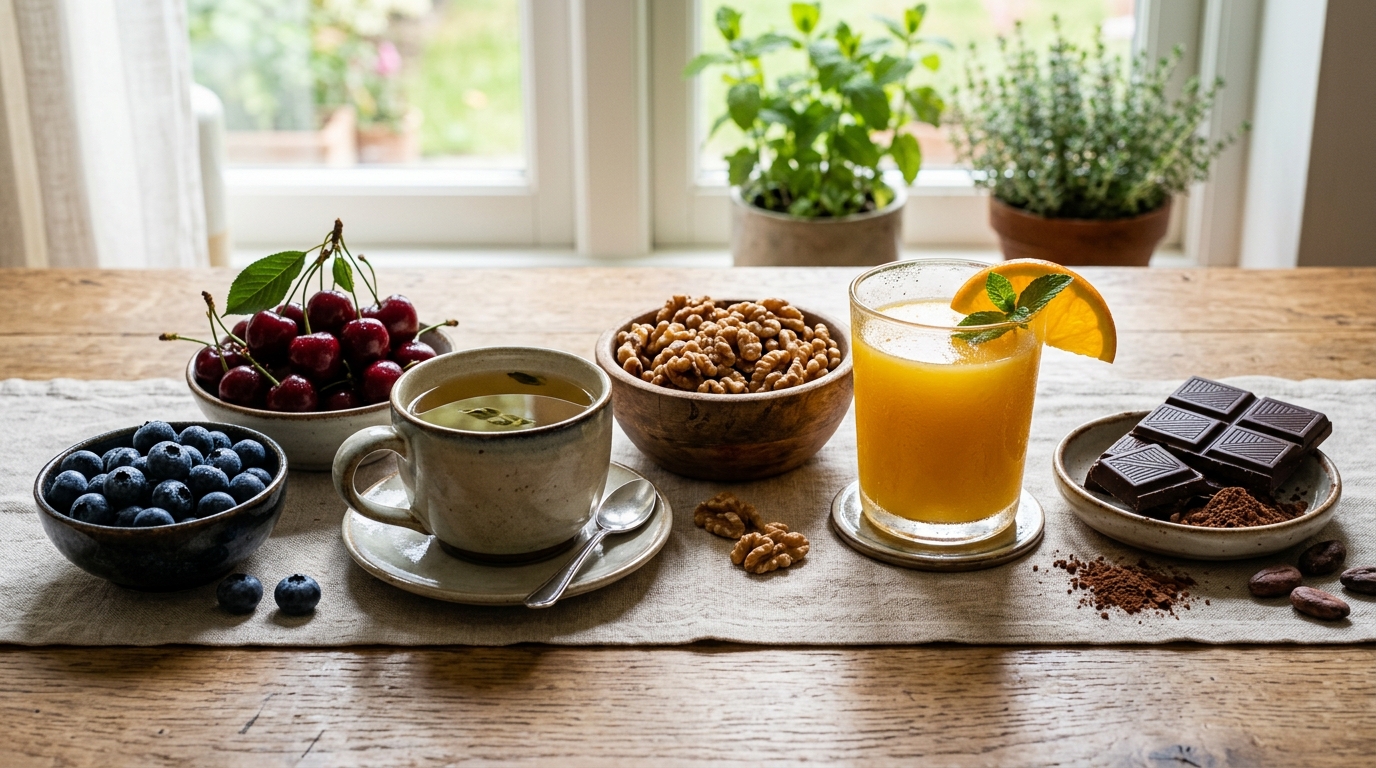
The study identified six specific foods that showed the strongest evidence for mood benefits:
- Cocoa (specifically dark chocolate with high cocoa content)
- Blueberries
- Cherries
- Green tea
- Walnuts
- Orange juice (100% juice, not sugary drinks)
What makes these foods special isn't some magical single ingredient; it's the combination of flavonoids, antioxidants, and other plant compounds that work together to reduce inflammation in the brain and improve blood flow to areas involved in mood regulation.
How to Actually Use This in Your Daily Life
You don't need to overhaul your entire diet to see benefits. The research suggests that consistency matters more than perfection, so here's how to integrate these foods without making your life more complicated:
- Add fruit to your breakfast. Throw a handful of blueberries or cherries into your morning oatmeal or yogurt. It takes ten seconds and you'll actually eat it.
- Swap your afternoon drink. Replace that second cup of coffee with green tea. You'll still get caffeine, plus the flavonoids, without the afternoon crash.
- Choose snacks strategically. When you're hungry between meals, reach for a small piece of dark chocolate or a handful of walnuts instead of chips. They'll actually satisfy you.
- Drink real juice. If you're going to drink juice at all, choose 100% orange juice instead of sodas or sweetened beverages.
Why Consistency Matters More Than Quantity
Here's the part most supplement companies won't tell you: eating a massive bowl of blueberries once a week won't help your mental health. Your brain needs these nutrients regularly to see a benefit, the same way you need to brush your teeth daily rather than doing a three-hour deep clean once a month.
The studies that showed positive results tracked people who consumed these foods as part of their normal daily routine over several weeks. They weren't taking megadoses or following extreme protocols; they were just eating a varied diet that included these specific foods consistently.
The Bottom Line
Food is a practical tool for mental health, but it's not a replacement for professional treatment if you're struggling with clinical depression or anxiety. What this research shows is that you don't need expensive pills to support your brain; eating a consistent variety of plant-based foods provides the nutrients your mind needs to function well.
Start small. Add one of these foods to your routine this week. Build from there.