Medical Disclaimer: This article is for informational purposes only and does not constitute medical advice. Consult a licensed healthcare provider before making changes to your exercise routine or mental health treatment plan.
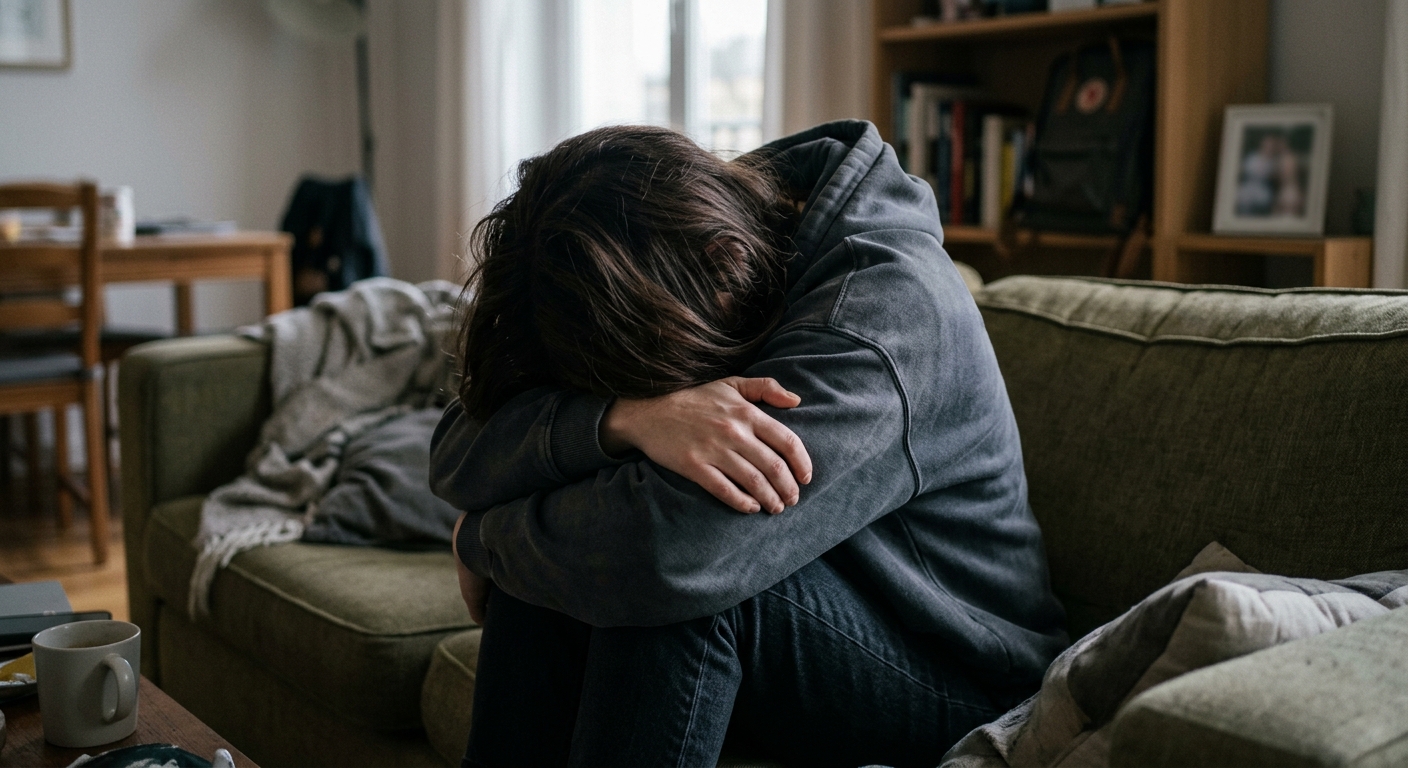
The 20-Minute Anxiety Hack: Why Gentle Movement Beats Intense Gym Sessions Every Time
Fitness culture tells you to sweat. It tells you to push until you're exhausted, until your legs shake and your shirt is soaked through. But here's what science actually says: you don't need extreme exercise to reduce anxiety. In fact, the opposite is true.
A gentle 20-minute walk might be the single most underrated mental health tool we have right now, and the data backs this up in ways that surprised even the researchers.
What the Data Actually Shows
Researchers recently analyzed data from 63 studies, which included nearly 80,000 participants, to figure out which types of exercise work best for mental health. The results were surprisingly clear: while aerobic exercise helps with depression, shorter and lower-intensity exercise is actually more effective for anxiety.
Think about that for a second. A gentle 20-minute walk calms your nervous system without adding physical stress to your body, which is exactly what you need when your anxiety is already spiking. High-intensity workouts, by contrast, flood your system with cortisol and adrenaline; great for building muscle, terrible for someone who's already on edge.
The Social Factor Nobody Talks About
The study also uncovered something interesting about group exercise: it improves mental health more than solo workouts, especially for young adults and new mothers. People in group settings showed significantly greater improvements in depressive symptoms, likely because shared activity provides both accountability and genuine human connection.
This makes sense when you think about it. Walking with a friend gives you two things at once: the physiological benefits of movement and the psychological relief of talking through whatever's weighing on you. It's harder to spiral into anxious rumination when someone's asking you about your week.
How to Actually Use This Information
You can apply this today without overhauling your entire routine:
- Redefine what counts as a "good workout." A short walk is a legitimate tool for stress relief, not a cop-out. Stop measuring your worth by how much you sweat.
- Find a low-pressure community. Join a local walking group, ask a friend to walk with you, or even just commit to walking while listening to a podcast you enjoy. The point is consistency, not intensity.
- Match the movement to your mood. On high-anxiety days, choose gentle movement. Your body's already stressed; don't pile on more stress in the name of fitness.
The Bottom Line
Fitness shouldn't be another source of stress in your life. Consistent, gentle movement supports long-term mental health better than sporadic intense workouts that leave you exhausted and dreading the next session. Focus on how the movement makes you feel, not how many calories you burned or how fast your heart rate got.
Build a habit that actually supports your well-being instead of one that just looks impressive on Instagram.
References
1. Munro, N. R., et al. "Effect of exercise on depression and anxiety symptoms." Meta-meta-analysis of randomised controlled trials, 2025/2026. PubMed ID: 41667154. This review synthesized data from 63 studies (81 meta-analyses, 1,079 component studies, and 79,551 participants) to evaluate the impact of exercise interventions on depression and anxiety symptoms across general populations.