Medical Disclaimer: This article is for informational purposes only and does not constitute medical advice. Consult a licensed healthcare provider before making changes to your diet or exercise routine.
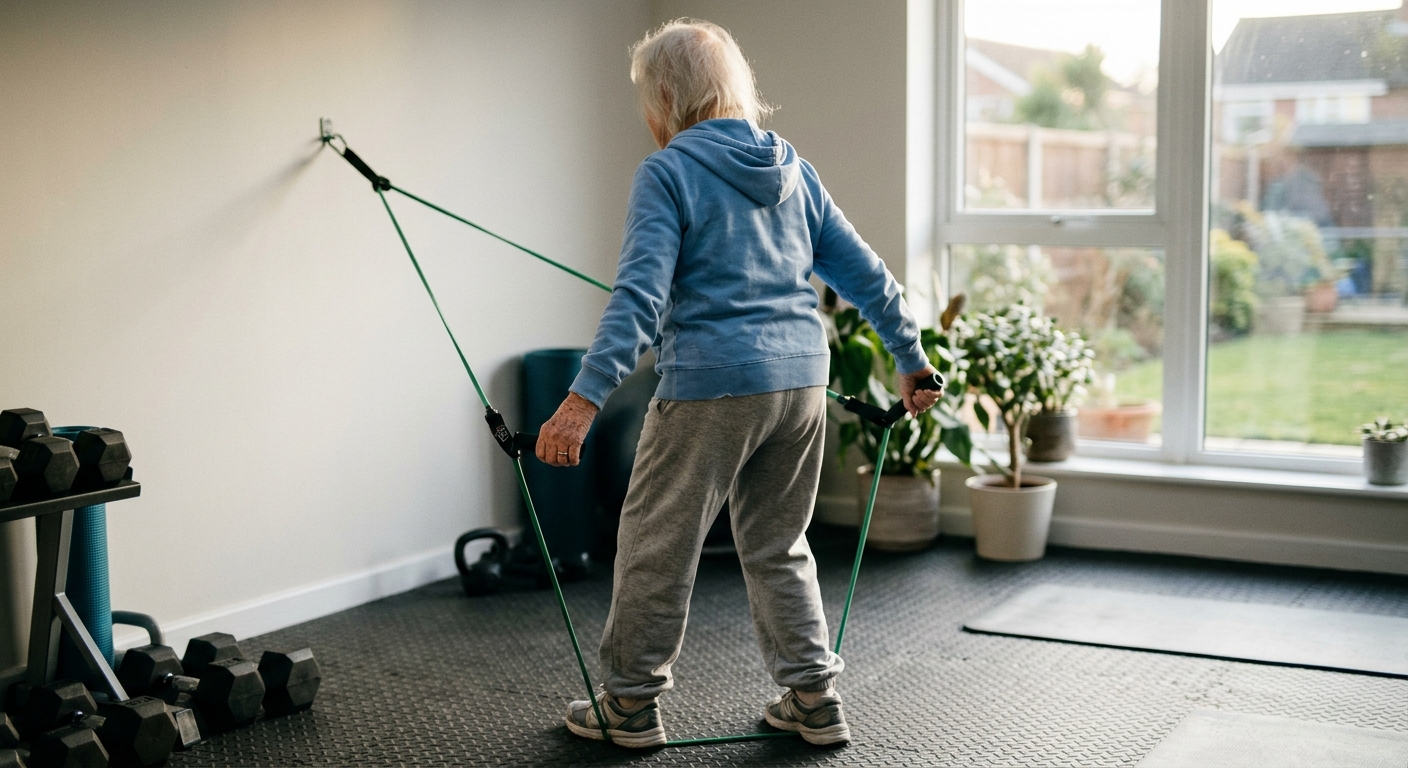
You're Wasting Your Workouts If You Ignore This One Crucial Rule for Aging
Many people think hitting the gym or going for a daily run is enough to stay young. They track their steps, count calories burned, buy expensive workout gear, and feel pretty good about themselves. But here's the uncomfortable truth: if you ignore your diet, you're wasting your workouts. Science shows that doing both is necessary for healthy aging, and you can't out-exercise a poor diet, especially as you get older.
Two recent scientific studies looked closely at older adults, measuring depression and physical frailty, and the results clearly prove that diet and exercise work best when you combine them. Doing just one isn't enough.
The Hidden Danger of Physical Frailty
Let's look at the physical side first. The first major study focused on physical frailty, which isn't just a normal part of getting older but rather a specific medical condition that makes your muscles weak, leaves you feeling tired all the time, and increases your risk of falling and going to the hospital. When you lose muscle mass, you lose your independence, and that's where the real danger lies.
The study found that nutritional guidance combined with physical activity prevents frailty more effectively than either approach alone. Here's why: exercise tells your body to build muscle, but food provides the actual building blocks. If you exercise but don't eat enough protein and nutrients, your body can't rebuild the muscle; you just break it down without replacing it. This is why the combination is so critical for your physical survival and independence as you age.
The Mental Health Connection Nobody Talks About
The second study looked at mental health in older adults, which is often overlooked but critically important. Aging can bring loneliness, physical pain, and a loss of purpose, all of which frequently lead to depression. The researchers found that combining exercise and nutrition improves depression significantly better than standard medical care or doing nothing at all.
When you move your body, you release chemicals that make you feel good. When you eat nutrient-dense foods, you reduce inflammation in your brain. Together, they create a strong shield against depression. But there's another layer most people miss: the social aspect of eating and moving matters too. Cooking a healthy meal with a partner or joining a group fitness class adds genuine human connection, which is itself a powerful tool against depression in older age.
Why Supplements Don't Cut It
It's important to understand what the researchers meant by "nutritional guidance," because many people hear "nutrition" and immediately think of supplements. They buy protein powders, vitamin pills, and meal replacement shakes, assuming these will solve the problem. But the research showed that this isn't the best approach at all.
Nutritional guidance means learning how to eat better with a professional; it means changing your actual daily meals rather than popping pills. The studies showed that long-term, personalized dietary programs work best because they teach you skills and habits, not just provide nutrients. Taking a pill doesn't teach you how to cook a healthy meal, and short-term diets don't provide the same physical or mental benefits as sustainable lifestyle changes.
How to Apply This to Your Daily Life
You can apply this formula to your daily routine today without becoming a professional athlete or a master chef. Small daily habits build long-term health, so here's how to start:
- Pair your habits together. Don't treat diet and exercise as separate tasks on a checklist. Eat a protein-rich snack after you go for a walk or hit the gym; something simple like Greek yogurt with nuts or a hard-boiled egg. This supports your muscles and gives you energy for the rest of your day.
- Seek professional advice from real experts. Talk to a registered dietitian about your meals instead of following fitness influencers on social media. A dietitian will look at your specific health needs and help you build a realistic meal plan that actually fits your life.
- Commit to the long term and stop looking for shortcuts. You can't change your body in two weeks, no matter what the ads promise. Choose a diet and exercise plan that you can maintain for months and years, finding activities you actually enjoy and foods that you actually like to eat.
The Bottom Line
Healthy aging requires a complete approach because you can't separate your body from your mind. Diet and exercise aren't separate tasks on a checklist; they're two parts of the exact same health strategy. Combining them protects your physical strength and keeps your muscles resilient, while also supporting your mental well-being and keeping your mood stable.
Stop wasting your workouts by ignoring your plate. Start treating your food as the fuel that makes your exercise actually work, and your future self will thank you for the effort.
References
1. Yan, S., et al. "Exercise and nutritional intervention on improving mental health in older adults: A systematic review and meta-analysis." Journal of Affective Disorders, 2025. PubMed ID: 41592509. This meta-analysis found that combining exercise and nutrition significantly improves depression symptoms in older adults over short-term periods compared to conventional care.
2. Koyama, T., et al. "Effects of nutritional guidance on frailty in older adults." Ageing Research Reviews, 2025. PubMed ID: 41385856. This systematic review found that long-term nutritional guidance (dietary education) combined with physical activity effectively prevents and improves physical frailty in community-dwelling older adults.